
“Please be careful with the worktop” is difficult to act on. It does not say what the worktop is made from, which product is unsuitable or whether a particular mark should be left alone. A useful brief identifies the surface, points to any maker’s instructions and states the task you want done. If the material is unknown, say that too. It is safer to agree a conservative method than to treat a guess as a fact.
Most homes contain more finishes than their owners realise. A kitchen may combine a sealed counter, a different splashback and cabinet fronts with a fragile coating. A sitting room can have painted wood, a fabric shade and a table with a finish that reacts differently to moisture. The cleaner needs the information that changes a decision, not a catalogue of everything in the property.
Identify the surfaces that need a special instruction
Walk through the rooms and list items you would hesitate to clean yourself. Include natural stone or surfaces sold as stone, unfinished or oiled wood, specialist floor finishes, delicate upholstery, painted or lacquered furniture, and fixtures with unusual coatings. A label such as “stone” is still broad; keep the product or installation paperwork if it names the exact material and its care requirements.
Look for care labels under cushions, on rugs and mattresses, or in purchase documents. Photograph the relevant label and the whole item so the cleaner can connect the instruction to the right object. If the maker’s guidance is missing, do not invent a material or a cleaning code. Note “finish unknown” and ask what the provider can safely offer after seeing it.
Include existing damage. A loose edge, lifted veneer, scratched coating or cracked grout may change how the area should be approached. Cleaning cannot repair a damaged finish, and more pressure can make it worse. Mark the spot clearly and agree whether it should be avoided pending repair. The purpose is to prevent an ordinary visit from turning an unreported defect into a dispute.
Describe the result you want
For each sensitive area, write a short task. “Dust the reachable top of the oak shelf without moving the ceramics” is clearer than “clean the antique shelf”. “Wipe the accessible counter according to the maker’s instructions; leave the dark ring for assessment” gives a boundary. It is also acceptable to say that an item should not be touched.
Be explicit about what can be moved. A cleaner may be able to lift a light lamp to dust underneath, but a heavy sculpture, wired computer or fragile collection should remain in place unless you have arranged otherwise. If you want an area cleaned, clear it yourself or confirm a safe way to move its contents. The guide to preparing a cluttered room for a cleaner offers a useful method for defining access without doing the actual cleaning first.
Avoid vague instructions such as “use only gentle products”. Gentle is not a material specification. A product may be marketed as gentle and still be wrong for a particular sealant, coating or fabric. Provide the actual care information where possible and ask the cleaning provider which method it proposes. If either side cannot establish suitability, leave the treatment out of the routine visit until it can be assessed.
Floors need their own line in the brief
Different rooms may have different floor finishes, even when their colours look similar. A hall could be vinyl while the adjacent sitting room is timber; an entrance mat may cover stone. Note where one material ends and another begins. Tell the cleaner if the floor has recently been installed, refinished or treated, and supply the manufacturer’s aftercare instructions if you have them.
The ordinary sequence still matters: remove suitable loose grit before any method that could drag particles across the finish. Beyond that, the right moisture level and product depend on the specific floor. Do not assume that a mop or machine suitable for one room is suitable throughout the property. If you cannot identify the finish, ask for a method that does not risk adding moisture or chemicals without guidance.
Give practical access details too. If a runner or mat can be lifted, say where it may be placed and whether the floor below can be cleaned. If furniture has to move, agree who will move it and where it can stand. A routine visit is not automatically a furniture-moving service, especially where weight or delicate legs create a risk.
Keep fabrics and soft furnishings separate
Upholstery, rugs and curtains may each have different care instructions. A regular household clean may include ordinary dusting or suitable vacuuming, but stain treatment and wet cleaning are separate decisions. Show the label if you have it, describe any old spill and tell the cleaner what has already been applied. Previous products can affect the next attempt, even when the fabric looks dry.
Removable covers are not automatically washable. A zip may exist for assembly or repair, and a cover can behave differently from its lining or cushion. The article on checking before washing removable sofa covers explains the questions to settle before taking them off. If you need more than routine upholstery care, discuss the specific item with a suitable specialist rather than adding “remove stains” to a general room checklist.
For a valuable or unusual rug, identify the fibre and backing if possible, and mention any loose fringe, colour movement or previous repairs. The existing guide to checking a wool rug before adding water shows why a visual guess is not a sufficient wet-cleaning instruction.
Share the information before the first visit
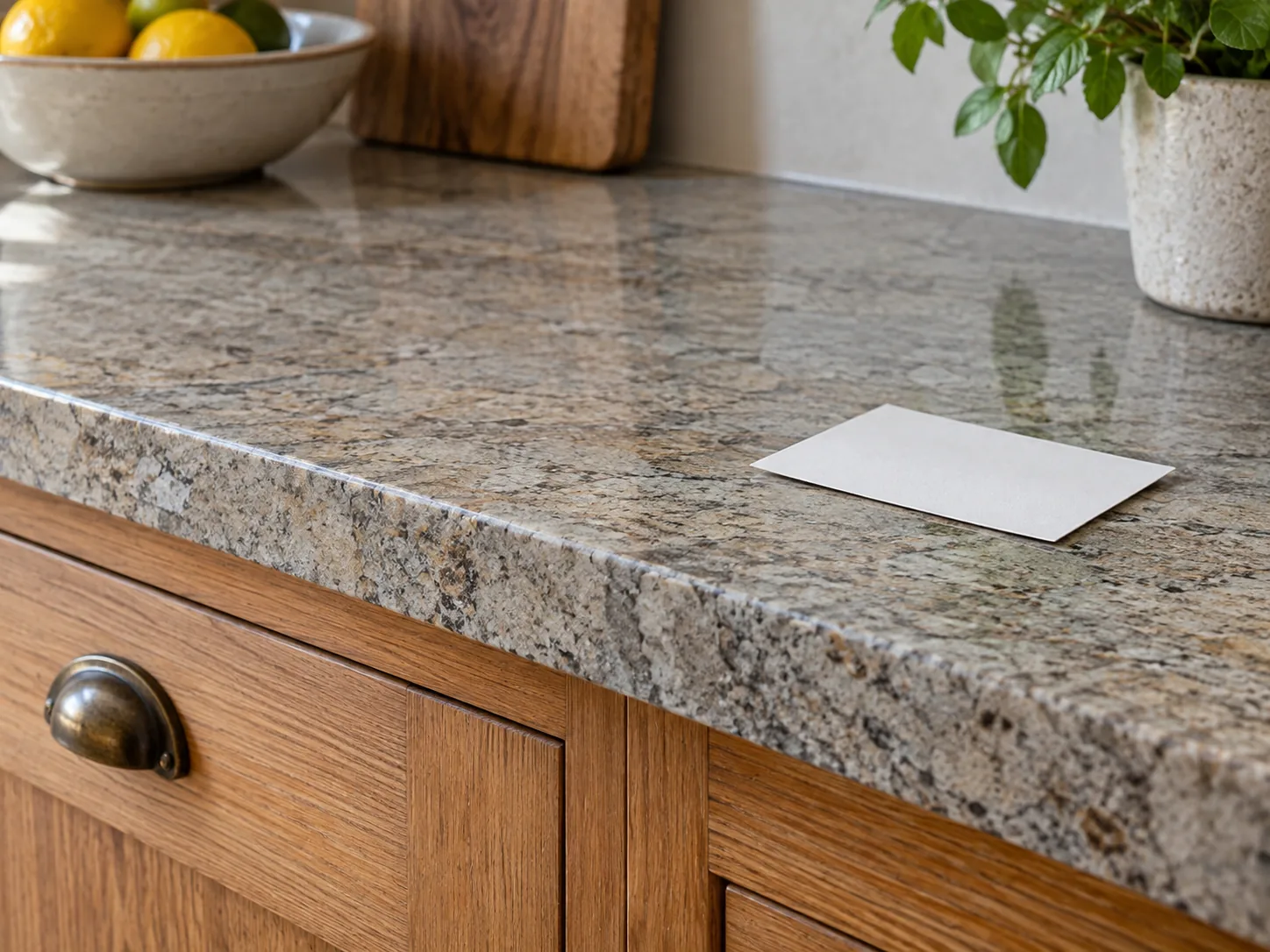
Send one concise note with photographs rather than a stream of last-minute messages. Group the instructions by room and place the highest-risk restriction first. For example: “Kitchen: counter material is listed as X in the attached care sheet; please follow that sheet and leave the chipped corner untouched. Sitting room: dust the reachable shelving; do not move the framed print. Hall: clean the floor using the product specified by its installer.” Replace X with the actual material rather than copying the example literally.
Put any supplied products in their original containers with their labels intact. If a product must be diluted or used only on a particular finish, the instructions need to be available to the person using it. Do not decant unknown cleaners into unlabelled bottles. If you prefer the company to supply products, ask it to confirm what it would use on each sensitive surface before the appointment.
The brief should be short enough to use during a visit. A photograph with a mark on the relevant area may be more useful than a long paragraph. Keep the complete product paperwork available, but extract the decision that matters: suitable method, restriction and desired result. When a cleaner raises a concern on site, allow them to leave that item untouched until the method is agreed.
Update the brief when the home changes
New furniture, refinished floors and repairs can make an old instruction wrong. Review the note after any change to a finish and before a deep or one-off clean, when the tasks may go beyond ordinary maintenance. If you cannot find the care guidance for a new item, ask the supplier or installer before requesting an aggressive treatment.
After the first visit, check whether the instructions were clear in practice. Did the cleaner know which shelf to avoid? Was the correct floor boundary obvious? Amend the note with the specific detail that caused uncertainty. Do not rewrite every instruction because one item needed clarification.
For a regular domestic cleaning arrangement, share this brief alongside the room priorities and access details. It gives the cleaner a workable route through the home while leaving uncertain treatments for a separate assessment. The result should be a visit in which routine cleaning can proceed confidently and delicate items are handled only within agreed limits.